
Using Neck Massage Master for Tension Headache Relief
 Sam VasquezBuying Guide Lead
July 14, 2026. This guide details how to utilize deep tissue massage techniques to mitigate the frequency and intensity of tension-type headaches. It is written for individuals who experience chronic cranial pressure resulting from cervical muscle tightness.
The Connection Between Cervical Tension and Headaches
Tension headaches often originate not in the head itself, but in the complex network of muscles surrounding the cervical spine. When the suboccipital muscles at the base of the skull become chronically contracted, they can refer pain upward, creating a vice-like sensation around the forehead and temples. According to Health.com in their report on The 6 Best Neck Massagers of 2026, According to Our Tests, many modern models now offer features like heat and deep-kneading action specifically designed to boost circulation and reduce the physical markers of stress in these muscle groups. This is particularly relevant for those who spend long hours at a desk, where static posture leads to what many call "tension creep." If you are currently dealing with postural strain, you might find our guide on a neck massager for tech neck relief useful for addressing the root cause of these symptoms. The physiological goal is to interrupt the pain-spasm-pain cycle. When muscles stay contracted, they restrict local blood flow, which further irritates nerve endings and sustains the headache. By applying consistent, rhythmic pressure, a massager helps manually reset the muscle tone. This is a common strategy for the best neck massager for office workers who cannot step away for a professional physical therapy session during the workday. Understanding this mechanical link is the first step in moving from reactive pain management to a proactive recovery routine.
How Neck Massage Master Targets Trigger Points
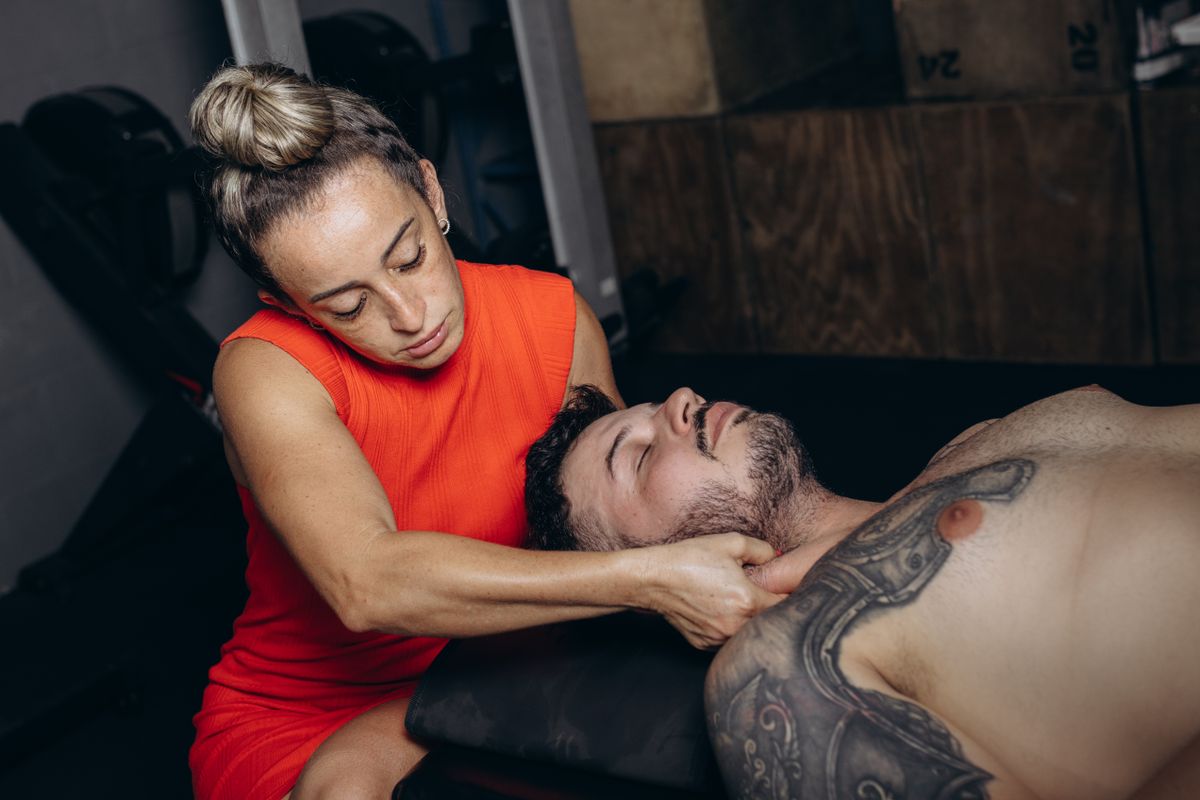
Photo by Jonathan Borba on Pexels
When I look at how the Neck Massage Master handles these specific trigger points, the focus is on the mechanical delivery of pressure. Unlike vibration-only devices which often provide superficial relief, the Neck Massage Master utilizes dual-direction massage nodes. These nodes are designed to mimic the thumb-and-palm technique used in shiatsu therapy. The built-in heat function is not just a comfort feature; it serves to increase the elasticity of the fascia before the deep-kneading nodes begin their work. This is a point I emphasized in my Neck Massage Master review, noting that the depth of penetration is what differentiates it from lower-powered consumer units. Between these two approaches—vibration versus deep-kneading—I'd go with the kneading nodes every time for headache relief because vibration can sometimes exacerbate the throbbing sensation of a migraine. To use the device for a tension headache, I recommend positioning the nodes at the very top of the neck, just below the occipital bone. Allow the device to run on its lowest speed setting for the first three minutes to let the heat penetrate. As the muscles soften, you can increase the intensity to reach the deeper layers of the trapezius. If you're on a budget, you might be tempted by manual rollers, but they require active arm effort which can actually increase shoulder tension—the very thing you are trying to avoid. The automated nature of this device allows the shoulders to remain dropped and relaxed throughout the session. If you're looking for a comparison of how this fits into a broader ergonomic setup, checking out the best neck massager for office workers can provide more context on integrating relief into your daily schedule.
Choosing the Right Relief Strategy
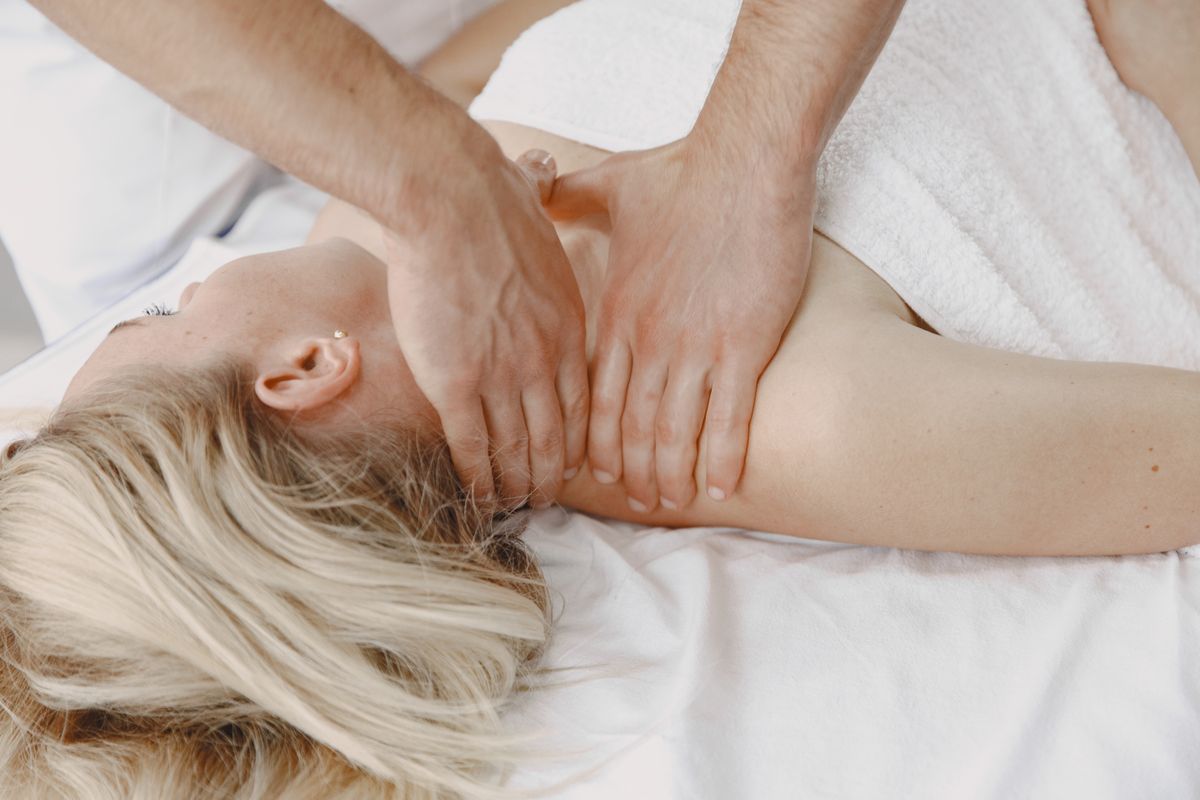
Photo by Gustavo Fring on Pexels
Selecting a device for headache management requires looking at specific mechanical specs rather than marketing fluff. If you're on a budget, a simple heated wrap might provide temporary comfort, but it won't break up the mechanical adhesions in the muscle. Here's what I'd actually buy: a unit that offers adjustable node direction and a high-torque motor that doesn't stall under pressure. Skip this if your headaches are accompanied by neurological symptoms like blurred vision or sudden weakness, as those require a medical consultation rather than a massage. When evaluating your options, use the following checklist to ensure the device will actually help with tension headaches:
- Dual-Direction Nodes: Ensure the device can rotate both clockwise and counter-clockwise to prevent muscle habituation.
- Adjustable Intensity: The ability to toggle between soft kneading and deep tissue pressure is essential for sensitive headache days.
- Integrated Heat: Look for a consistent thermal output that stays between 104°F and 112°F.
- Ergonomic Straps: You need the ability to pull the device closer to your neck to control the depth of the massage manually.
- Automatic Shut-off: A 15-minute timer ensures you don't over-massage an area, which can lead to bruising or increased soreness.
Effective tension management is about consistency rather than intensity. Using the device for short, 10-minute sessions twice a day is generally more effective for headache prevention than a single long session once the pain has already peaked.