The Counterintuitive Truth About Neck Massagers and Headaches
 Maya ChenContributing Editor
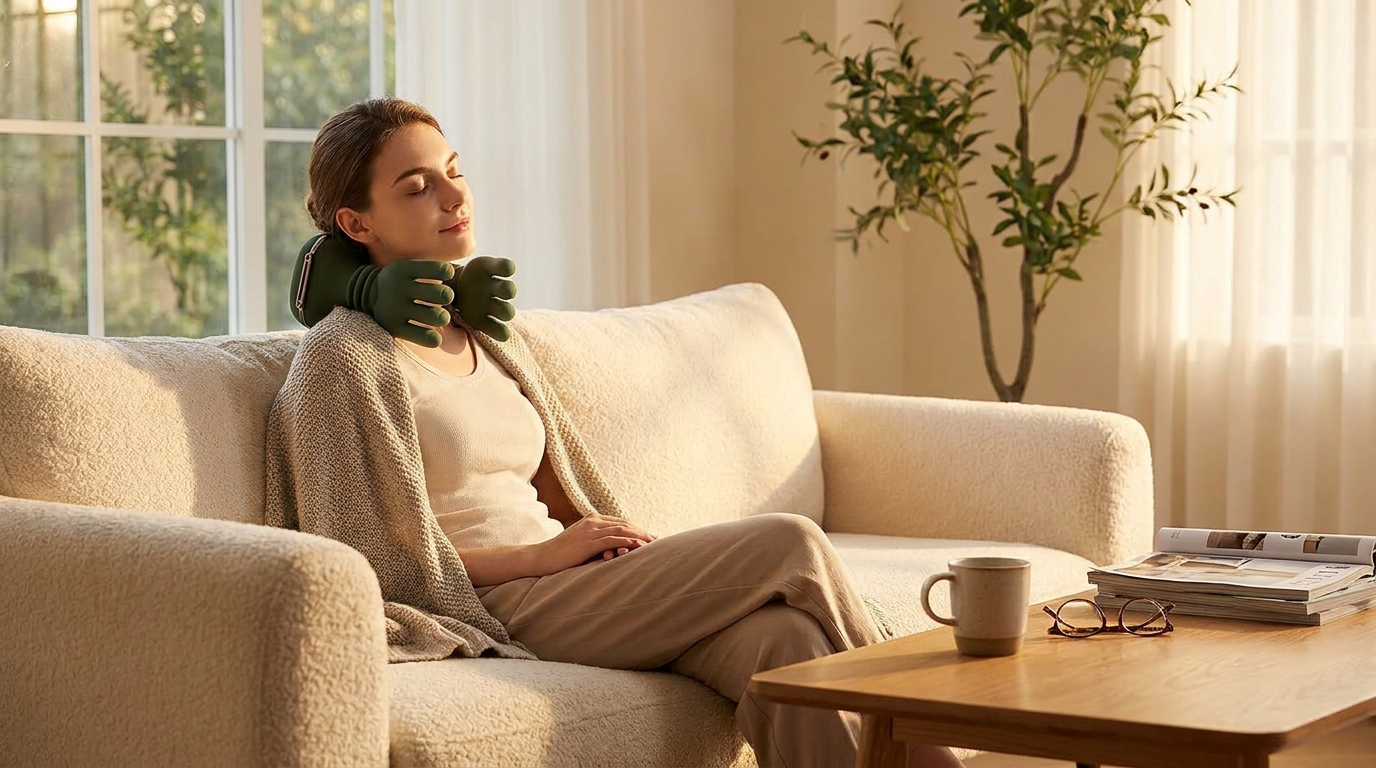
The conventional wisdom says to reach for a neck massager at the first sign of a tension headache. This reactive approach, while popular, mistakes a temporary distraction for a solution. The focus on acute relief overlooks the more significant, data-supported value of these devices: prevention of the tension that triggers headaches in the first place.
The Flaw in Acute Relief
An active tension headache involves hypersensitive muscles and a nervous system already in a 'guarding' state. Applying intense mechanical pressure provides competing sensory input, a principle similar to the gate control theory of pain. It feels better because the brain is processing the massage sensation instead of the pain, but this effect is temporary. According to the World Health Organization, tension headache episodes can last from 30 minutes to several days. A device's standard 15-minute cycle is mathematically insignificant against this duration. It's a brief sensory reset, not a physiological resolution to the headache itself.
A Data-Driven Case for Prevention
Here's the part nobody talks about: the primary value of a neck massager for tension headaches is not in treatment, but in disrupting the cycle of muscle strain before a headache begins. Chronic tension in the suboccipital and trapezius muscles is a well-documented trigger. This tension doesn't appear suddenly; it builds over days or weeks due to posture, stress, or repetitive motion. Consistent, targeted massage helps maintain muscle pliability and blood flow, preventing the buildup of tension that culminates in pain. Run the math: A single four-hour headache costs you 240 minutes. A daily 15-minute preventative session costs 105 minutes per week, an investment that can prevent hours of lost productivity and well-being.
Building a Preventative Protocol
An effective protocol requires shifting the tool's role from a reactive remedy to a proactive daily habit. This means integrating the massager into a routine, not pulling it out in desperation. The ideal application is during a time that counteracts daily strain, such as after a workday. Understanding how to use a neck massager safely is the foundational first step. From there, one can determine the best time of day to use a neck massager to ensure consistency, which is the key variable for success.
Can a neck massager make a headache worse?
Photo by https://kaboompics.com/ on Pexels
Yes. Using a massager too aggressively during an active headache can further irritate inflamed and sensitive tissues, potentially intensifying the pain or triggering a rebound effect. This risk is another strong argument for a preventative, rather than reactive, approach. Gentle, consistent application on non-headache days is a more logical and effective strategy for managing tension.
Is heat necessary for headache prevention?
While not strictly mandatory, heat is a highly efficient component of a preventative strategy. The application of warmth increases circulation and tissue elasticity, a process known as vasodilation. This prepares the muscle for mechanical massage, allowing the nodes to work more effectively. The primary benefits of heat therapy for neck pain are centered on this preparatory function, making the entire 15-minute session more productive at releasing deep-seated tension. I'll change my mind when a device can demonstrate a statistically significant reduction in headache duration after onset, not just a temporary subjective feeling of relief.