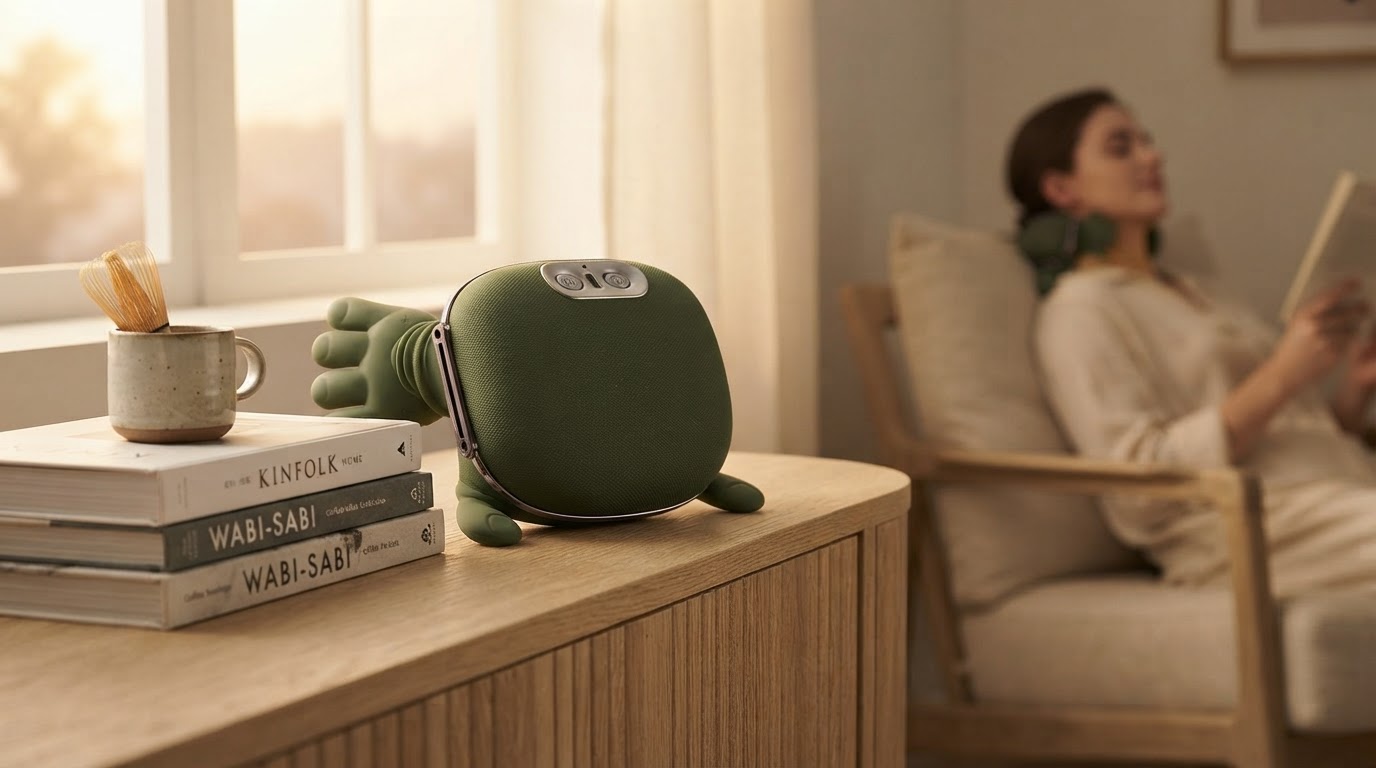
Neck Massage Master and Cervical Traction Device Efficacy
 Priya RamanSenior Analyst
August 5, 2026 — The rising demand for home-based orthopedic solutions has placed the Neck Massage Master at the center of discussions regarding cervical traction and tension management. As consumers move away from clinical-only settings, understanding how these devices facilitate spinal decompression is essential for safe application.
Cervical traction involves the gentle stretching of the neck to create space between the vertebrae, which can significantly alleviate pressure on compressed nerves. According to Spathis Chiropractic, devices that provide cervical traction in the supine position are often considered the most effective for the money when used at home. This mechanical separation helps to rehydrate spinal discs and relax deep musculature that traditional manual stretching might miss. When evaluating the Neck Massage Master within this category, it is helpful to view the technology through a three-axis model: intensity of decompression, ease of positioning, and frequency of use.
The Three-Axis Alignment Framework
To determine if a cervical traction device for home use fits a specific recovery profile, users should evaluate it based on the Three-Axis Alignment Framework. The first axis is Decompression Depth. This refers to the physical lift or stretch provided to the cervical vertebrae; a high-quality device must offer enough resistance to counteract gravity without causing strain. The second axis is Ergonomic Stability. Because the cervical spine is delicate, the device must maintain a consistent angle of pull, typically between 15 and 25 degrees, to target the lower cervical segments effectively. The third axis is Thermal Integration. Modern units, such as the Brace Direct Digital Cervical Traction Unit, often combine stretching with TENS therapy or heat to prepare the muscles for the traction process. The Neck Massage Master follows a similar logic by integrating targeted stimulation with structural support. Once you see it this way, the distinction between a simple pillow and a functional traction tool becomes clear. The decision rule: if the primary goal is nerve decompression, the device must allow for a supine, relaxed posture where the user can control the duration of the stretch. This ensures that the user is not fighting their own muscle guarding during the session.
Expert tip: When using a cervical traction device for the first time, limit sessions to five minutes to monitor for any dizziness or increased sensitivity, as the sudden change in spinal pressure requires a gradual adaptation period.
Effective home care often involves a combination of tools, such as understanding how to use a cervical spine massage tool alongside traction. For those managing long-term discomfort, the best neck massager for neck pain can complement a traction routine by addressing superficial knots. Integrating these methods helps in resolving neck tension relief at home more consistently. Furthermore, exploring neck pain relief products allows users to build a comprehensive kit for daily maintenance.
Sources
Photo by Gustavo Fring on Pexels
- Best Cervical Traction Devices - A Chiropractor's Review
- How to use the Saunders Home Cervical Traction Device for a ...
- The Best Cervical Traction Devices to Use at Home